File:Coffee Senna 2.jpg
Original file (2,736 × 3,648 pixels, file size: 3.01 MB, MIME type: image/jpeg)
Summary[edit]
| Summary | |
|---|---|
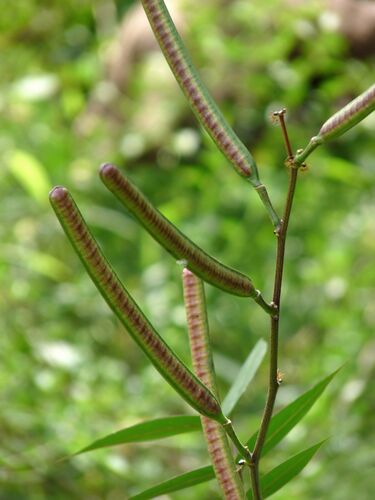
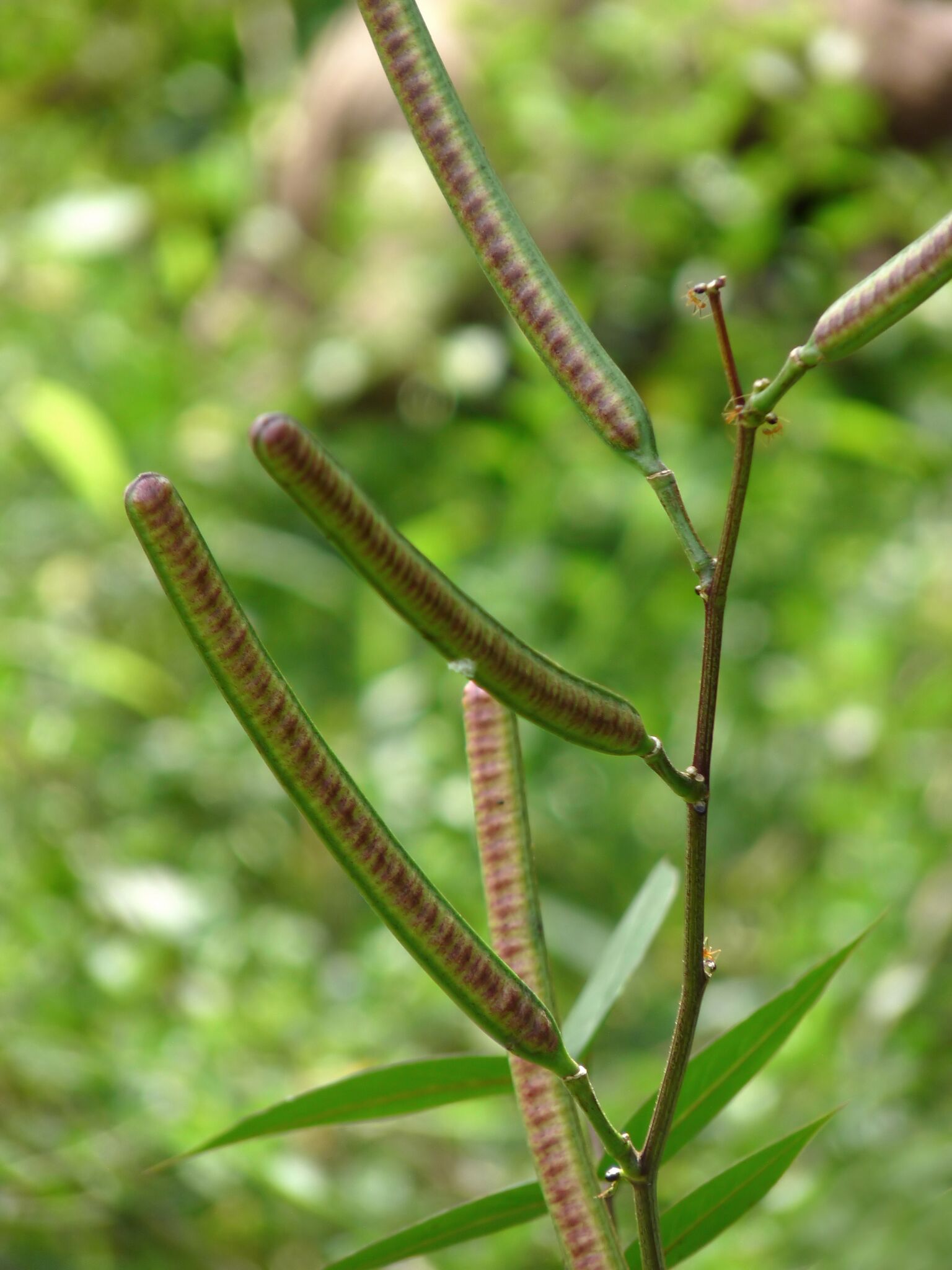
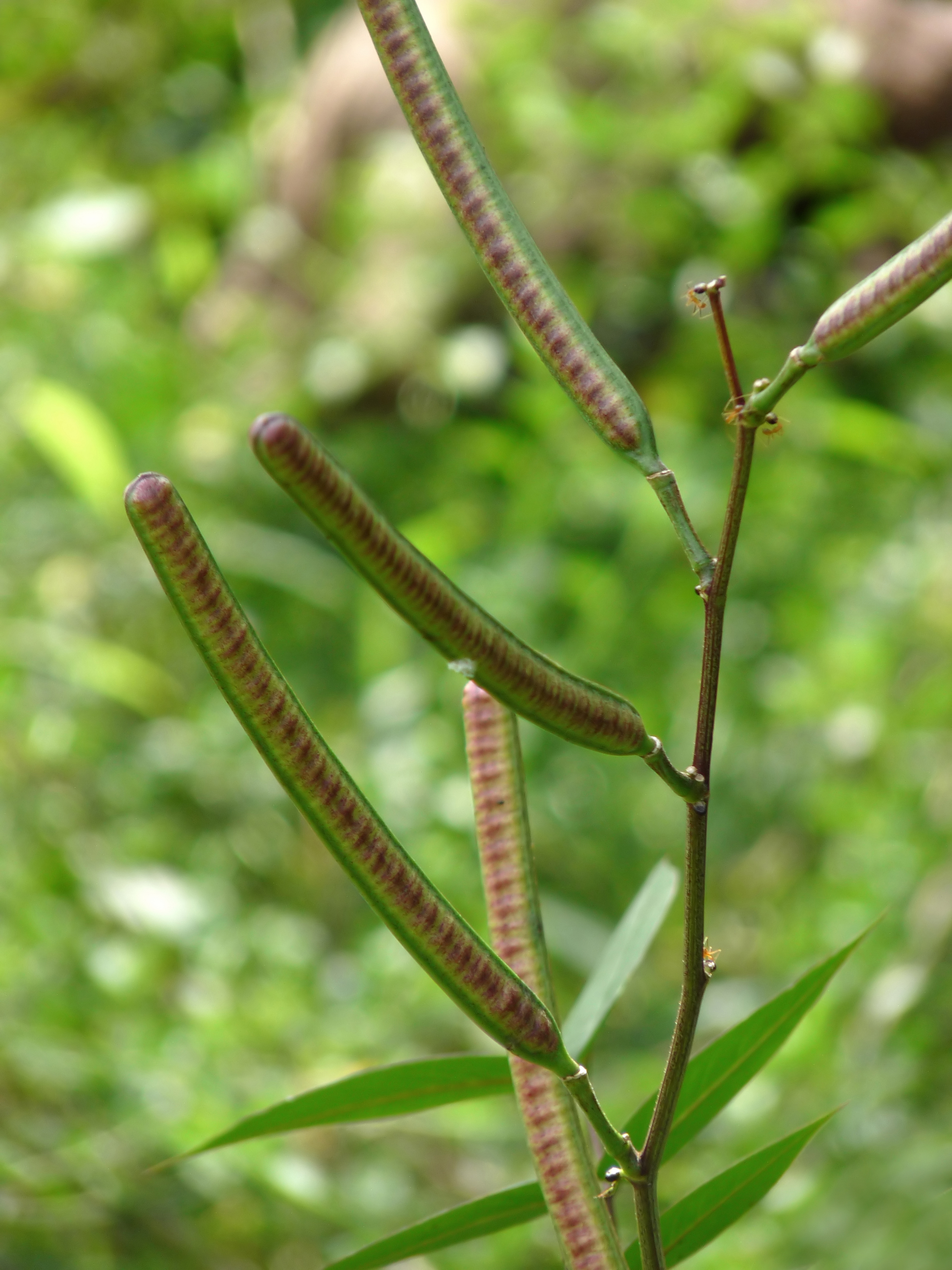
| Description | Senna occidentalis (Coffee Senna, Coffeeweed, Negro coffee) is a pantropical plant species. The species was formerly placed in the genus Cassia.
It is a smooth annual that can grow up to 2 m tall. The leaves are compound, leaflets, in 4-6 pairs, have a sharp tip. These leaflets are 2-9 cm long and 2-3 cm wide with a distinct gland 3-5 mm from the base of the stalk. Flowers occur in leaf axils. Sepals are green and 6-9 mm long. The petals are yellow and 1-2 cm long. The 6-7 stamens are of two different lengths. The seed pods are dark brown, 8 to 12 cm long, 7-10 mm wide and curve slightly upward. The seeds are dull brown, 4-5 mm long and flattened on both ends. It is found throughout India, growing abundantly on waste lands immediately after the rains. The plant is useful in vitiated conditions of vata and kapha, cough, bronchitis, constipation, fever, epilepsy and convulsions. The roots are useful in inflammation, diabetes, strangury, elephantiasis, ringworm, colic, flatulence, dyspepsia, epilepsy, convulsions and scorpion sting. The leaves and seeds are used in leprosy, erysipelas, pruritus, wounds and ulcers, cough, bronchitis, hiccough, asthma, pharyngodynia, fever and hydrophobia (Warrier et al, 1994). A paste made out of roots is considered as a specific remedy for ringworm, eczema and other skin ailments (Aiyer amd Kolammal, 1964). Bark, roots, leaves and seeds are used in medicine. The drug is an ingredient of Surasadi taila (Sivarajan et al, 1994). The plant contains emodin, physcion, chrysophanol, sitosterol and a xanthone- cassiollin. Seeds contain phytosterolin and 3-methyl-6-methoxy-1, 8-dihydroxy anthraquinone. Flowers contain physcion-b-D-glucopyranoside. Roots contain phytosterol, 1, 8-dihydroxy anthraquinone, a-hydroxy anthraquinone, quercetin, 1, 4, 5-trihydroxy anthroquinone derivatives, namely, islandicin, helminthosporon and xanthorin, a xanthone derivative-cassiollin. Leaves contain flavonoids- matteucinol-7-rhamnoside and jaceidin-7-rhamnoside. The plant is febrifuge, purgative, diuretic and tonic. Seed and leaf are bitter, sweet, acrid, thermogenic and depurative and used in skin diseases. Root is an antidote for snakebite (Husain et al, 1992). Its seeds can be roasted and used as a substitute for coffee. They have also been used as an adulterant for coffee. There is apparently no caffeine in the coffee produced.
|
| Source | Wikimedia Commons file page |
| Author | Jeevan Jose, Kerala, India |
| Permission | See original Commons license details. |
Licensing[edit]
Creative Commons Attribution-ShareAlike 4.0 International (CC BY-SA 4.0)
This file is licensed under the Creative Commons Attribution-ShareAlike 4.0 International license.
You are free to:
- Share — copy and redistribute the material.
- Adapt — remix, transform, and build upon the material.
Under the following conditions:
- Attribution — appropriate credit must be given.
- ShareAlike — derivative works must be distributed under the same license.
Official license: CC BY-SA 4.0
License page: CC BY-SA 4.0
Original attribution and file history: Wikimedia Commons
File history
Click on a date/time to view the file as it appeared at that time.
| Date/Time | Thumbnail | Dimensions | User | Comment | |
|---|---|---|---|---|---|
| current | 03:35, 5 June 2026 | | 2,736 × 3,648 (3.01 MB) | Maintenance script (talk | contribs) | == Summary == Importing file |
You cannot overwrite this file.
File usage
The following 2 pages use this file: