Dorsal fin
Dorsal fin is a fin located on the backs of various unrelated marine and freshwater vertebrates, including most fish, certain marine mammals (like dolphins), and the (extinct) ichthyosaurs. Depending on the species, an animal may have one or more dorsal fins. The dorsal fin aids the animal in sudden turns and stops.
Function[edit]
The main purpose of the dorsal fin is to stabilize the animal against rolling and assist in sudden turns. Some animals have developed dorsal fins with protective functions, such as spines or venom. Many catfish can lock the leading ray of the dorsal fin in an extended position to discourage predation; others, like lionfish, have venomous spines in their dorsal fins.
Anatomy[edit]
The bony or cartilaginous bones that support the base of the dorsal fin are called pterygiophores.
In different animals[edit]
Different animals have developed dorsal fins with different functions.
Fish[edit]
In many fish, the dorsal fin(s) serve to protect against predation, and many have spines in them that are venomous, like the lionfish.
Dolphins[edit]
In dolphins, the dorsal fin acts as a keel, preventing the dolphin from rolling and providing stability.
Ichthyosaurs[edit]
In the extinct ichthyosaurs, which were not fish, the dorsal fin was similar to that of dolphins.
See also[edit]

This WikiMD article can only be edited by registered and verified editors. You can log in or register.
-
Dorsal fin
-
Dorsal fin
-
Dorsal fin
-
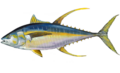 Dorsal fin
 -
Dorsal fin
-
Dorsal fin
-
Dorsal fin
-
Dorsal fin
-
Dorsal fin
-
Dorsal fin
-
Dorsal fin
-
Dorsal fin


Medical Disclaimer: WikiMD is for informational purposes only and is not a substitute for professional medical advice. Content may be inaccurate or outdated and should not be used for diagnosis or treatment. Always consult your healthcare provider for medical decisions. Verify information with trusted sources such as CDC.gov and NIH.gov. By using this site, you agree that WikiMD is not liable for any outcomes related to its content. See full disclaimer.
Credits:Most images are courtesy of Wikimedia commons, and templates, categories Wikipedia, licensed under CC BY SA or similar.
Translate page: - East Asian
中文,
日本,
한국어,
South Asian
हिन्दी,
தமிழ்,
తెలుగు,
Urdu,
ಕನ್ನಡ,
Southeast Asian
Indonesian,
Vietnamese,
Thai,
မြန်မာဘာသာ,
বাংলা
European
español,
Deutsch,
français,
Greek,
português do Brasil,
polski,
română,
русский,
Nederlands,
norsk,
svenska,
suomi,
Italian
Middle Eastern & African
عربى,
Turkish,
Persian,
Hebrew,
Afrikaans,
isiZulu,
Kiswahili,
Other
Bulgarian,
Hungarian,
Czech,
Swedish,
മലയാളം,
मराठी,
ਪੰਜਾਬੀ,
ગુજરાતી,
Portuguese,
Ukrainian


.JPG)

.jpg)


