Epidemiology of childhood obesity
Childhood obesity is a significant public health challenge globally, characterized by the accumulation of excessive fat that may impair health. The epidemiology of childhood obesity involves studying the distribution, patterns, and determinants of obesity in children and adolescents. This article delves into the prevalence, causes, and consequences of childhood obesity, alongside preventive measures.
Prevalence[edit]
The prevalence of childhood obesity has been increasing worldwide, affecting both developed and developing countries. According to the World Health Organization (WHO), the number of overweight or obese infants and young children (aged 0 to 5 years) increased from 32 million globally in 1990 to 41 million in 2016. In the United States, the Centers for Disease Control and Prevention (CDC) reports that approximately 19.3% of children and adolescents aged 2-19 years are obese.
Causes[edit]
Childhood obesity is a multifactorial condition, influenced by genetic, behavioral, and environmental factors. Key contributors include:
- Genetic Factors: Certain genetic conditions and familial predisposition can increase the risk of developing obesity.
- Dietary Habits: High intake of calorie-dense foods and sugary drinks contributes to weight gain.
- Physical Inactivity: Sedentary lifestyles, characterized by excessive screen time and lack of physical exercise, play a crucial role.
- Socioeconomic Factors: Children from lower socioeconomic backgrounds are at a higher risk due to limited access to healthy foods and recreational facilities.
Consequences[edit]
Childhood obesity can lead to immediate and long-term health issues, including:
- Type 2 Diabetes
- Cardiovascular Diseases
- Asthma
- Sleep Apnea
- Psychological problems such as low self-esteem and depression
Prevention and Control[edit]
Efforts to prevent and control childhood obesity include:
- Promoting healthy eating habits by increasing the availability of affordable healthy foods
- Encouraging physical activity through structured and unstructured play
- Implementing policies to reduce the consumption of sugary drinks and junk food
- Educating families and communities about the importance of a healthy lifestyle
Conclusion[edit]
The epidemiology of childhood obesity underscores the need for a comprehensive approach involving individuals, communities, and governments to address this growing public health concern. Early intervention and sustained efforts are crucial to prevent obesity and its associated health risks.
 | This medical article is a stub. You can help WikiMD by expanding the page. |
Epidemiology of Childhood Obesity[edit]
-
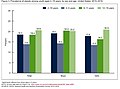 Prevalence of Childhood Obesity


Medical Disclaimer: WikiMD is for informational purposes only and is not a substitute for professional medical advice. Content may be inaccurate or outdated and should not be used for diagnosis or treatment. Always consult your healthcare provider for medical decisions. Verify information with trusted sources such as CDC.gov and NIH.gov. By using this site, you agree that WikiMD is not liable for any outcomes related to its content. See full disclaimer.
Credits:Most images are courtesy of Wikimedia commons, and templates, categories Wikipedia, licensed under CC BY SA or similar.
Translate page: - East Asian
中文,
日本,
한국어,
South Asian
हिन्दी,
தமிழ்,
తెలుగు,
Urdu,
ಕನ್ನಡ,
Southeast Asian
Indonesian,
Vietnamese,
Thai,
မြန်မာဘာသာ,
বাংলা
European
español,
Deutsch,
français,
Greek,
português do Brasil,
polski,
română,
русский,
Nederlands,
norsk,
svenska,
suomi,
Italian
Middle Eastern & African
عربى,
Turkish,
Persian,
Hebrew,
Afrikaans,
isiZulu,
Kiswahili,
Other
Bulgarian,
Hungarian,
Czech,
Swedish,
മലയാളം,
मराठी,
ਪੰਜਾਬੀ,
ગુજરાતી,
Portuguese,
Ukrainian

