Hydrogen
Hydrogen is a chemical element with the symbol H and atomic number 1. It is the lightest and most abundant chemical substance in the universe, constituting roughly 75% of its elemental mass.Cite error: Invalid <ref> tag; refs with no name must have content
Characteristics[edit]
Hydrogen is the lightest element. Under standard conditions, it is a colorless, tasteless, and odorless gas. Hydrogen is the only element that can exist without neutrons in its nucleus. This form of hydrogen, known as Protium, has one proton and one electron.
Uses[edit]
Hydrogen has a variety of uses. It is used in the production of ammonia for fertilizer via the Haber process, and in hydrocracking, where it is used to convert crude oil into gasoline. Hydrogen is also used in the production of methanol and in hydrogenation of fats and oils. It is also used in rocket fuel and in fuel cells for generating electrical power.
Production[edit]
Hydrogen is produced from a variety of sources such as fossil fuels, water and renewables. The most common method of production is steam reforming of natural gas. Other methods include electrolysis of water and thermochemical cycles.
Safety[edit]
Hydrogen is highly flammable and can form explosive mixtures in air. It can cause burns and eye damage. However, it is not considered a health hazard because it does not have any known toxic effects.
See also[edit]
References[edit]

This WikiMD article can only be edited by registered and verified editors. You can log in or register.
-
Explosion of a mixture of hydrogen and air
-
Shuttle Main Engine Test Firing
-
Hydrogen atom
-
Hydrogen ampoule
-
Phase diagram of hydrogen
-
Hydrogen isotopes
-
Hydrogen discharge tube
-
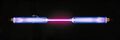 Deuterium discharge tube
 -
 Portrait of Robert Boyle
 -
Antoine-Laurent Lavoisier
-
Emission spectrum of hydrogen
-
Hindenburg over New York 1937

.jpg)

Medical Disclaimer: WikiMD is for informational purposes only and is not a substitute for professional medical advice. Content may be inaccurate or outdated and should not be used for diagnosis or treatment. Always consult your healthcare provider for medical decisions. Verify information with trusted sources such as CDC.gov and NIH.gov. By using this site, you agree that WikiMD is not liable for any outcomes related to its content. See full disclaimer.
Credits:Most images are courtesy of Wikimedia commons, and templates, categories Wikipedia, licensed under CC BY SA or similar.
Translate page: - East Asian
中文,
日本,
한국어,
South Asian
हिन्दी,
தமிழ்,
తెలుగు,
Urdu,
ಕನ್ನಡ,
Southeast Asian
Indonesian,
Vietnamese,
Thai,
မြန်မာဘာသာ,
বাংলা
European
español,
Deutsch,
français,
Greek,
português do Brasil,
polski,
română,
русский,
Nederlands,
norsk,
svenska,
suomi,
Italian
Middle Eastern & African
عربى,
Turkish,
Persian,
Hebrew,
Afrikaans,
isiZulu,
Kiswahili,
Other
Bulgarian,
Hungarian,
Czech,
Swedish,
മലയാളം,
मराठी,
ਪੰਜਾਬੀ,
ગુજરાતી,
Portuguese,
Ukrainian


.jpg)

.jpg)